Green Energy
Clean generation, storage and mini-grids that power communities reliably and affordably.
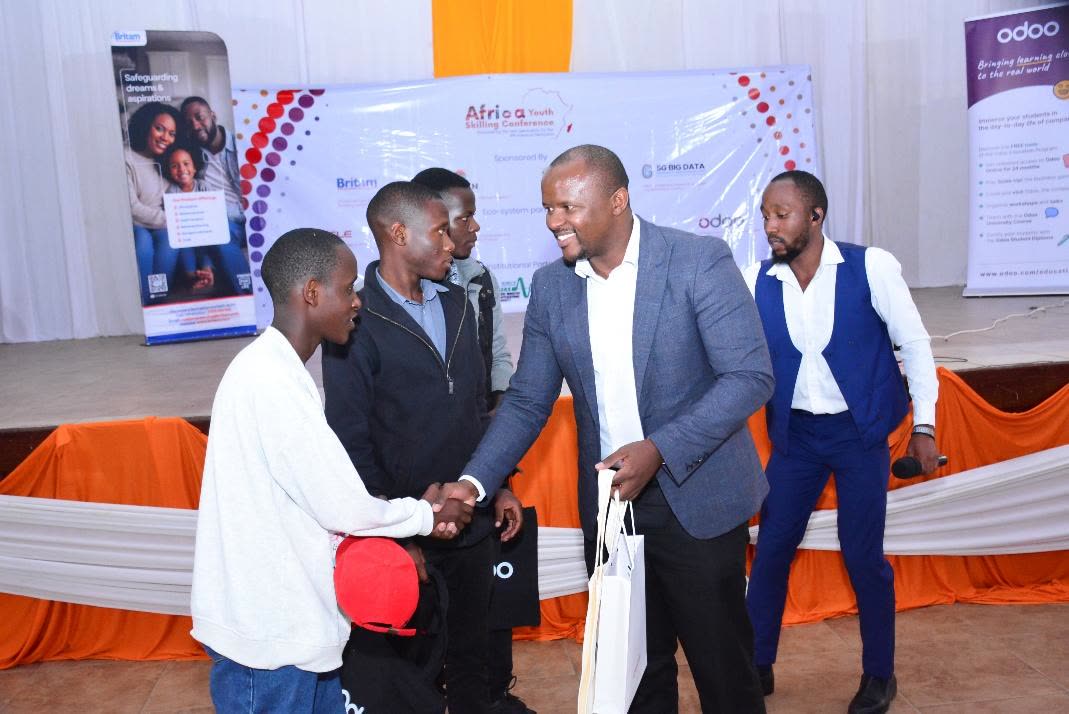
Three days at the Technical University of Kenya, Nairobi. Teams of 3 to 5 young innovators prototyped answers to the continent’s energy and climate challenges, then pitched to judges, investors and industry leaders.
About the hackathon
The AYSC 2026 Climate Hackathon was a segment of the 2nd International Energy and Sustainability Summit (IESS), convened with Patanisha Africa.
The venue
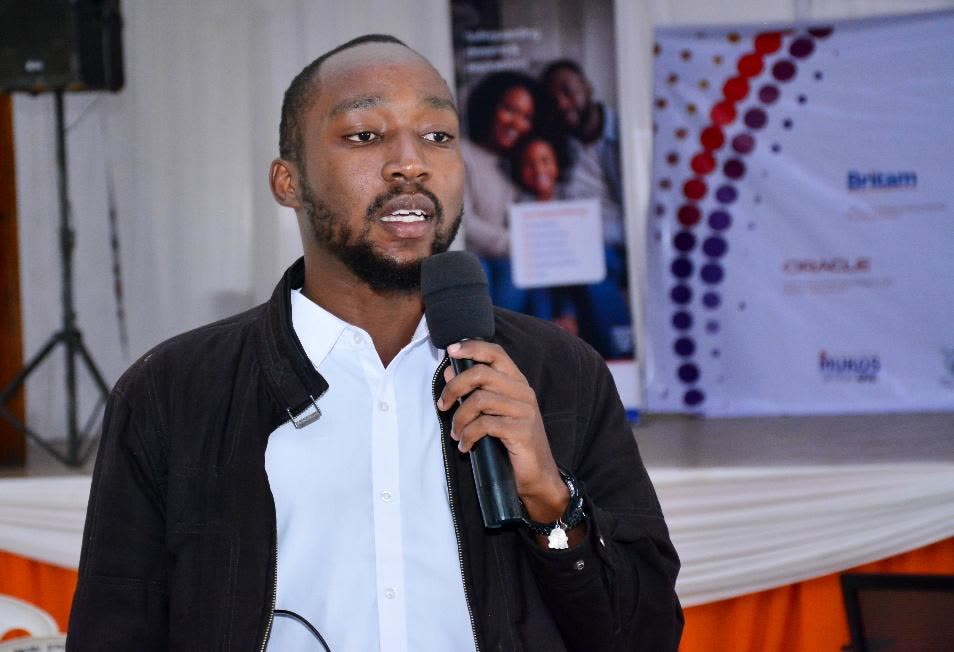
Hacking spaces, mentor corners and the main stage.
Where the winners were announced, with investors and partners in the room.
Every registered participant showed a personal QR code at the door.
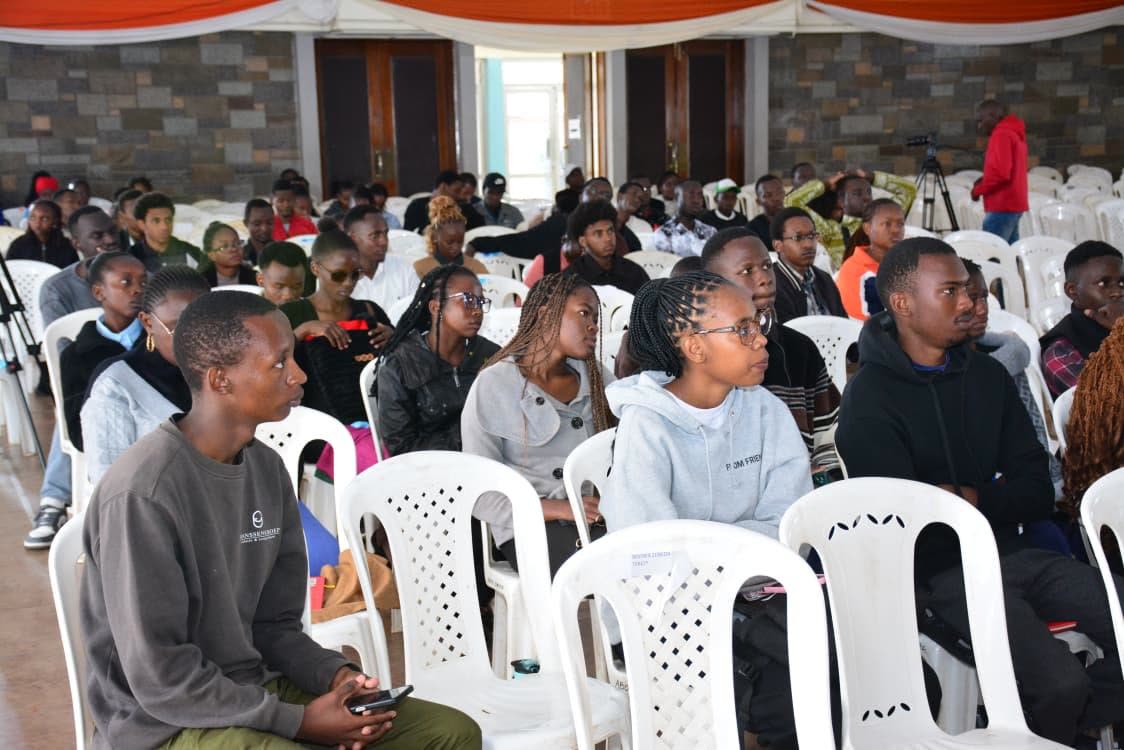
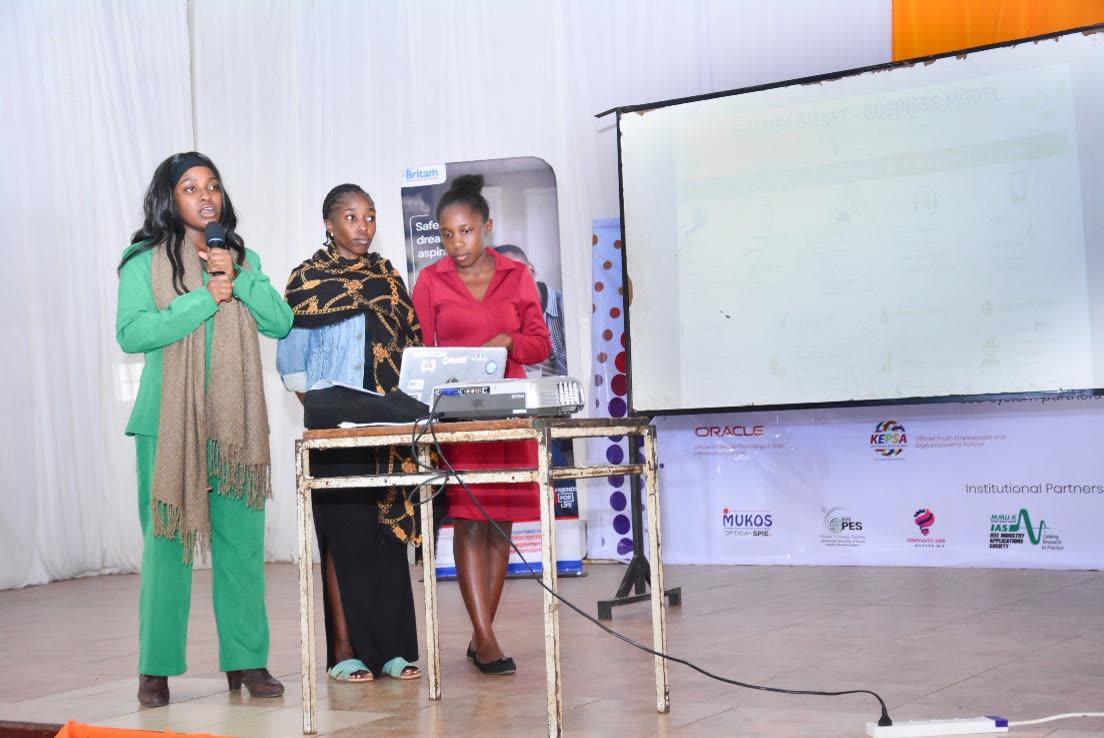
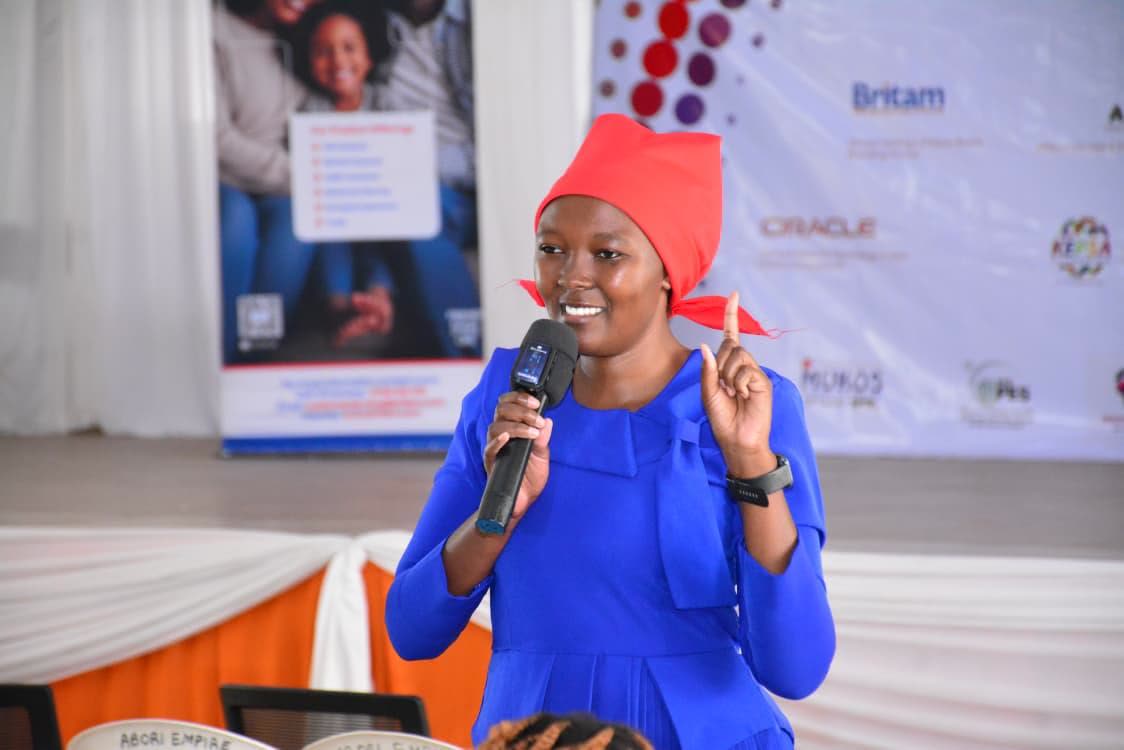
Photos
The tracks
Each team picked one track at registration. Every track was judged on the same rubric.
Clean generation, storage and mini-grids that power communities reliably and affordably.
Measuring, reporting and verifying emissions so climate claims are provable.
Ocean and waterway health: marine-litter capture, sustainable fisheries, coastal resilience.
Turning organic and food waste into value through composting, biogas and diversion.
Data pipelines, models and AI that turn climate data into decisions.
Climate-smart farming: precision inputs, advisory and resilient food systems.
Early warning, preparedness and tools to absorb climate shocks.
Reuse, repair and recycling models that design waste out of products.
Moving capital to the frontline: green loans, insurance, carbon markets, funding access.
Judging
Judges scored each criterion from 1 to 10. Scores stayed sealed until the closing ceremony.
How new the idea and approach are.
Whether the team can build and run it.
The climate and energy difference it makes.
A credible path to sustain it.
How clearly the team made its case on stage.
Partners
Convened by
The projects from AYSC 2026 are in the showcase, across all nine climate tracks.
See the projects